Should You Move Abroad?

I think you can count a ¨move¨ as something you do with the intention of staying for a while, setting up a base, working, making connections and building a home there.

You can move with the intention of coming back to the place you left, or perhaps moving on to something else. You can move with a job and a living lined up, or you can get there with no idea what you´re doing and live on scraps until someone will hire you. You can move for something, a loved one, an adventure, a job, a fantasy, which might work out and you´ll live happily ever after, or it might not.

I´ve moved countries 11 times in my life. And I´m 26. The first time I moved was Kuwait to Bahrain when I was 1 years old, and the last time I moved was Manchester to Seville almost 2 years ago when I was 24.

Advantages

Whatever happens, you´ll gain valuable experience that will help you and whatever kind of life you choose to pursue afterwards.

Depending on what you´re bringing and what you´re willing to sacrifice, you don´t have to spend much money doing it.

You don´t have to commit to anything. Being open to whatever life may throw at you and being kind to yourself, you could find that it doesn´t work out and you return home sooner than planned, and that´s okay.

It´ll challenge you, you´ll be scared and excited. Sometimes overwhelmed and sometimes underwhelmed. You´ll feel deeply worried and occasionally euphoric. You will feel. You will experience.

You will have to deal with problems you´ve never even heard of. It will open your mind and your heart. It will give you new perspectives and new ideas. It will change the way you see the world, for the better.

And it may just become the start of your happy ever after.

Disadvantages

There are a lot of sacrifices. You sacrifice stability and connection, above all. You have to make the decision that you´re new adventure is more important than the things you´ve been working for your whole life.

You lose touch with people you care about. Your friends are busy with new friends. You talk to your family less and less. Before you know it, a year has flown by and you haven´t been able to book a flight home.

You open yourself up to risks and dangers you have no idea how to prepare for or deal with when they happen. For it´s not IF they happen, it´s WHEN.

Paperwork. Man oh man moving country, unless it´s with a company that will sort all that out for you, is bureaucracy. Google mapping your way to embassies, queueing for hours to exchange your licence, bringing every document you´ve ever owned along to the appointment to register yourself because the website was rubbish and didn´t tell you anything you actually needed to know.

You won´t have home commodities. Most of the things you loved about your home won´t follow you to your destination. The foods you loved, the conveniences you´re used to, the way you can safely predict and understand the behaviour of people around you because you know the culture in which they belong.

You may loose more than you gain.

So, where does that leave you? Do you move abroad?

Well, when reading the second list, did the disadvantages section excite you or scare you? We have to know 2 things before making that decision. What do we truly value, and what are we capable of?

Do you value new or old? Do you value adventure or stability? Do you value safety or risk?

Are you capable of withstanding multiple visa appointments, a potential trip to a foreign hospital, being away from the people you love?

I read the disadvantages list and I thought, bring it on. It´s all part of the experience and I´m excited to overcome these hurdles.

If you read it and think, ooh no I´m not sure about that, I don´t think I´d like it very much.

Well then you have your answer.

Is anyone thinking about moving abroad soon? What are your plans?
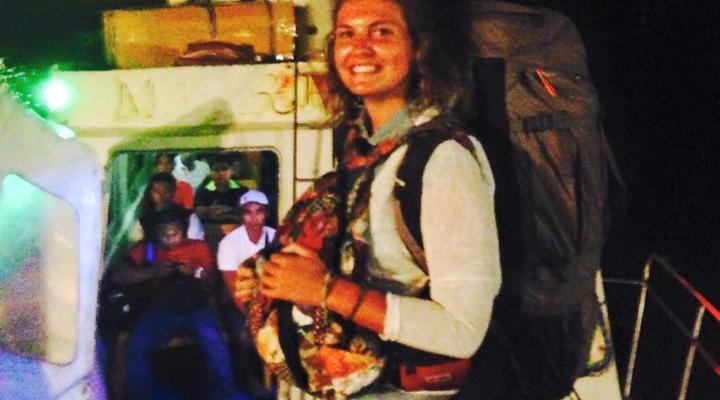
How to kick-start your solo travels

Travelling on your own can be a daunting and even seemingly impossible prospect. Glorified blogs and epic Instagram accounts make it seem like only the most accomplished travellers dare to wander the world independently, risking their lives everyday and partying with new people every night. These travellers usually have expensive GoPro’s and movie editing software, endless streams of money and a seemingly innate ability to talk to anyone.

However, from my own experience, I can tell you that it’s not as glamorous and scary as it seems. Most solo travellers are people who decided to set off on a path of self-discovery, step out of their comfort zone, take a few risks and ended up accidentally on a whirlwind adventure. The trick to travelling is to keep putting one foot in front of the other. No matter where you end up, who you meet, what you loose, what you find… just keep moving forward and don’t give up. You will learn how to make the next step after you’ve taken the last. There are lots of ways to ease yourself into life on the road that will make you answer the question ‘how did you find travelling on your own?’ with a confident ‘I was never on my own’ when you get home from your adventure, full of pride and amazing memories.

Now you’re all inspired to organise your first solo journey, I’ll give you a few tips on how to get going. There are several ways to start your travels, but the main ways are working, volunteering, backpacking or couch-surfing.

WORKING. Do you want to get travelling now but just don’t have the cash saved? Work your way around the world and you’ll never have to stop. The beauty of being prepared to work is that you can keep going for as long as you like. Whenever you’re close to running out of money, put down some roots and get a job wherever you are at the time. Working holiday visa’s for 18 – 30 year old’s are pretty easy to get for Australia, New Zealand and Canada. Buy yourself a visa, book 1 week in a central, popular hostel in a city of your choice, catch a flight, and get job searching once you’re out there. Look on gumtree, pop into STA, hand out your CV, speak to people and keep your standards low. My first job in Sydney was door to door sales. I quit after a week but I ended up moving in with the people I met on the job (who also quit after a week) and we became really great friends. Alternatively, you could get a seasonal job. Popular winter seasonal jobs are Ski Seasons: getting these are as simple as googling, emailing and persevering. During summer, you could work in a bar/restaurant in a party town around Europe, to do this you’ll either need to go through an agency online, or just rock up and start handing out CV’s. If the drink all day and party all night life just isn’t for you, you could get a job as an activities leader. Camp America is great if you don’t need to save, or you could try In2Action who supply activity coordinators to Holiday Villages all around Europe (and 2 outside of Europe). I worked in Tunisia for 4 months and absolutely loved the experience! Another avenue you could go down is working on a cruise ship! Whether you’re an entertainer, singer, dancer, restaurant staff member or cleaner, you’ll be paid to tour some of the most beautiful places in the world. Another option for those of you who want to travel a bit more permanently, is to do a TEFL (Teach English as a Foreign Language) course. This enables you to teach in schools all over the world, earn a decent salary and really immerse yourself in a new culture.

VOLUNTEERING. If there’s something more specific you want to do, maybe this is the way forward. The International Citizen Service is a great place to start if you want to really make a difference in a small community by working on a project. Their website is very helpful and the great thing about ICS is that all you have to do is fund raise £800, and all other costs are paid for. Something I’m desperate to do once I’ve finished University is to volunteer at a Yoga and Surf retreat. These are found all over the world (I want to go to Sri Lanka!) and usually say if you work in a cafe/restaurant for free, then you have access to surf equipment and yoga classes at their facility. If you want to volunteer while on the move, you can work for bed and board. This includes WWOOFing, (a popular option in Australia) or working in a hostel, on reception or cleaning, in return for free accommodation.

BACKPACKING. There are so many organised tours out there, visit STA or have a google to find some of the most popular tours for solo travellers. These are great for the first couple of weeks as you usually end up meeting some people you can stick with once the tour is over, and they give you a good feel for a new country whilst keeping you totally safe. Down side is these are a little more expensive. If you don’t fancy a tour, just rock up to a new place having pre-booked a popular, suitable hostel and researched a bit about the area and what you want to do there, and start making friends! People are much friendlier in hostels than they are anywhere else in the world – I promise. If you’re more organised, then plan your journey and your accommodation in advance. If you’re more spontaneous (like me) and get a thrill from last minute decisions and not knowing where you’re going to end up, then just book the first few days and see where life takes you.

COUCH SURFING. This one is fairly self explanatory! Get signed up on the couch surfing website, build a profile, and plan your journey. The benefits of this mode of travel is that you get to hang out with locals who can point you in the direction of some hidden gems as well as the obvious tourist attractions. The downside is that you may feel a little bit vulnerable if you don’t feel comfortable staying in other peoples homes.

So hopefully you now feel equipped with a wealth of knowledge about how to plan and implement your solo travels. Good luck! Find yourself, loose yourself, take lots of selfies – and don’t be scared to ask strangers to take your picture!! – and take care.